
A Black Gay Billionaire, Hot Sex and a Deadly Drug Lord: Wyatt O’Brien Evans Wrote the Queer Thriller Hollywood Keeps Dodging

The author of Nothing Can Tear Us Apart: Ruthless joins The Commentary to discuss Black gay love, intimate partner violence, unapologetic representation—and which actors should bring his cinematic universe to life.
Wyatt O’Brien Evans does not believe Black gay men should have to choose between being powerful, vulnerable, wealthy, romantic, masculine, traumatized or fully human.
So he put all of it in one story.
In the newest episode of The Commentary, Evans joined Icon City News to discuss Nothing Can Tear Us Apart: Ruthless, the fourth installment in his dramatic series about two accomplished men of color fighting to preserve their relationship while navigating trauma, family conflict, mental health challenges and a murderous criminal determined to destroy them.

At the center of the series is Wesley Lawrence Kelly, a nearly billion-dollar Black celebrity entrepreneur and philanthropist. His partner, Antonio Miguel Rios Jr., is a muscular Latino bodyguard tasked with protecting Wesley professionally while loving him personally.
And then there is Roughcut—the deadly drug lord whose obsession with Wesley drives much of the danger surrounding the couple.
Evans describes the books as an immersive mixture of romantic drama, psychological suspense, family conflict and unapologetically adult sexuality.
Translation: This is not your auntie’s polite little book-club romance.
Why Can’t the Black Gay Man Be the Billionaire?
Evans is intentional about making Wesley wealthy, influential and highly connected. Black gay characters are frequently presented as disposable friends, struggling side characters, punchlines or cautionary tales. Wesley is allowed to occupy another position entirely: the center.
“Why can’t there be an uber-wealthy Black gay, same-gender-loving celebrity entrepreneur who’s worth almost one billion dollars?” Evans asked during the interview.
It is a fair question.
Black excellence has increasingly been criticized when it becomes confused with respectability, elitism or proximity to wealth. But Evans is not presenting money as a cure for trauma. Wesley’s resources cannot protect him from mental distress, complicated family relationships or the consequences of abuse.
The money expands the world around him. It does not erase his humanity.
Evans also populates the series with characters from different economic and professional backgrounds, including attorneys, managers, escorts and podcast hosts.
His interest is not simply in creating a fantasy of luxury, but in constructing a complete Black and queer social universe.
The mansions, clothes, cars and colognes are part of that universe. So are the wounds.
Black Gay Love Without the Disposable Boyfriend Trope
The relationship between Wesley and Antonio is deliberately monogamous.
Evans said he wanted to confront the persistent belief that gay and same-gender-loving men—particularly Black men and other men of color—are incapable of maintaining lasting, committed relationships.
“I love love,” he said. “I truly believe that two men can form a lasting, loving relationship.”
But Ruthless is not a frictionless love story.
Earlier in the series, Antonio physically harms Wesley after being manipulated by Roughcut. The abuse becomes one of the factors contributing to Wesley’s psychological fracture and the emergence of an alternate personality Evans calls Walker.
The couple eventually reunites, but Evans does not allow reconciliation to function as a magical reset button. Both men undergo extensive individual and couples therapy, and the effects of the violence continue to surface.
That distinction matters to Evans, who identifies himself as a survivor and subject-matter expert on intimate partner violence and abuse.
The Violence Between Men That Too Many People Ignore
Evans argues that intimate partner violence between men remains dangerously underreported.
Victims encounter stigma from within and outside the LGBTQ+ community. Their experiences may be minimized as mutual combat, dismissed as “boys being boys” or ignored by people who struggle to recognize a man as a victim.
“Abuse is abuse,” Evans said. “I don’t care who does it.”
He consulted a therapist while developing the couple’s journey because he did not want the story to suggest that returning to an abusive partner is simple, universally advisable or possible without serious intervention.
The relationship presented in the series remains fictional. The silence surrounding abuse between men is not.
Evans’ work asks readers to consider what happens when society’s ideas about masculinity make it difficult for victims to name what happened to them—and even more difficult for others to believe them.
Hollywood, Pick Up the Phone
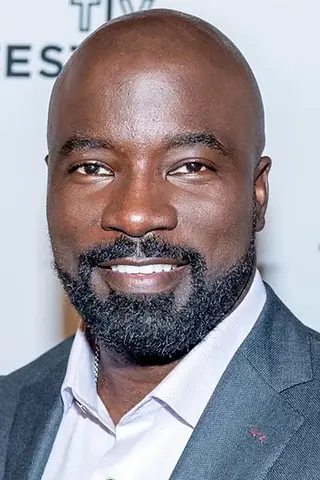
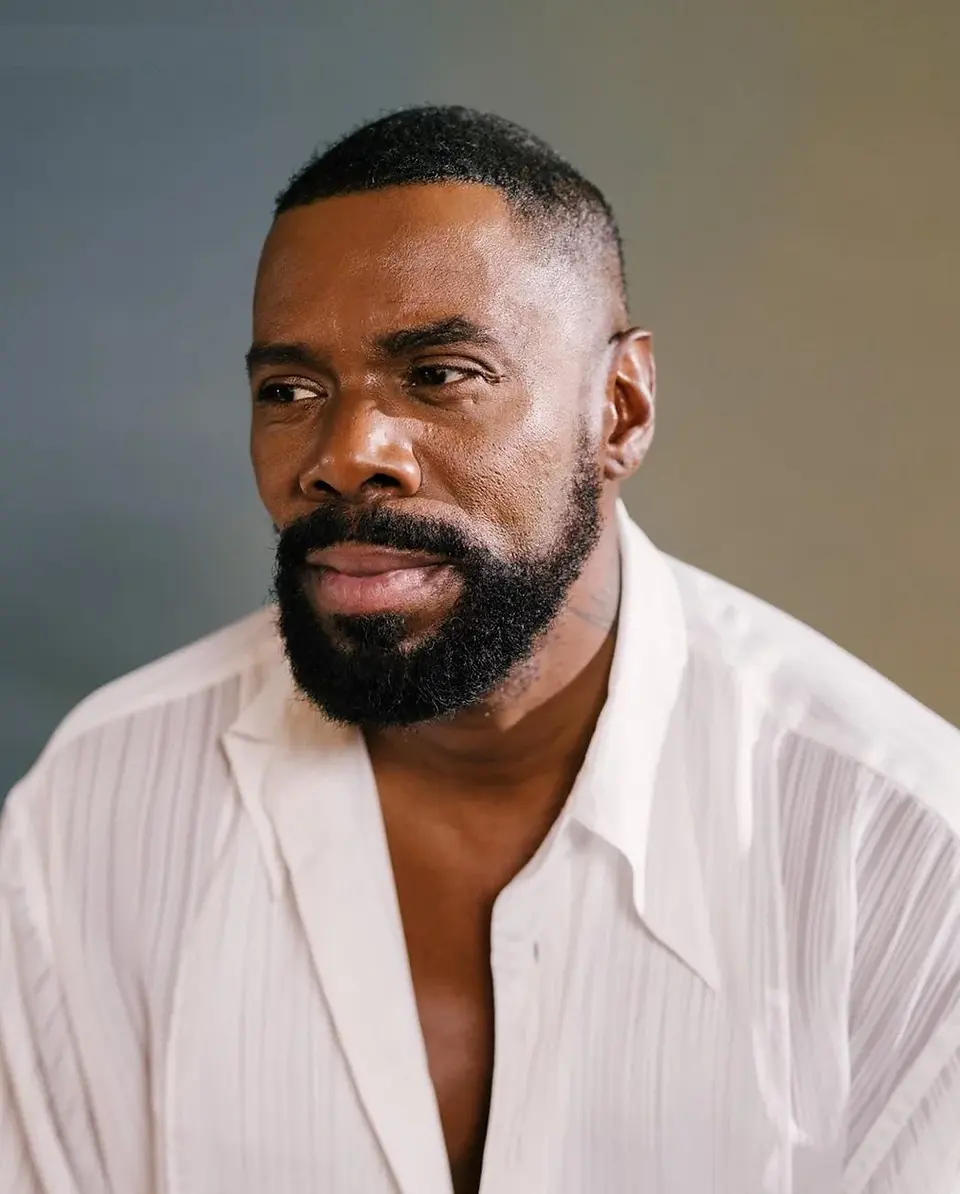

Evans wrote the series with the visual intensity of a screenplay, and an adaptation is
already under development.
Naturally, The Commentary had to open the casting couch.
For Wesley, Evans named Colman Domingo and Mike Colter as dream possibilities. Domingo would face the additional challenge of portraying both Wesley and his radically different alternate personality, Walker.
Host Aigner “Anye Elite” Ellis added Wayne Brady to the conversation, citing the performer’s theatrical range and ability to move between emotional registers.
Casting Antonio presents another challenge. Evans is firm that the actor must possess the imposing bodybuilder physique central to his vision of the character.
In Evans’ words, Antonio is built.
Very built.
The combination of erotic romance, psychological transformation, family drama and criminal suspense gives the series the kind of ingredients prestige television claims to want. What it still rarely offers is a Black gay couple allowed to command the entire frame.
Queer Stories During an Era of Erasure
The release also arrives as LGBTQ+ books and educational materials continue to face organized challenges.
Evans said the political environment has not weakened his commitment to telling these stories.
“We just can’t go hiding in a closet and not tell our stories and tell our truths,” he said.
Although the series centers two men in a romantic relationship, Evans believes its deeper themes—love, resilience, trauma and survival—can resonate across gender and sexual orientation.
That universality does not require him to remove the characters’ Blackness, queerness or sexuality. It emerges because those identities are treated as fully human rather than carefully sanitized for mainstream approval.
Representation is not only about being visible. It is about being complicated.
Wesley and Antonio are not presented as perfect symbols. They are men confronting danger, desire, betrayal, violence and the demanding work of rebuilding trust.
That may be the most radical fantasy in the series: not wealth, luxury or a bodyguard boyfriend—but the belief that Black gay characters deserve enough narrative space to be messy, magnetic and multidimensional.
Where to Find Ruthless
Nothing Can Tear Us Apart: Ruthless is available in paperback and e-book formats through Wyatt O’Brien Evans’ website, Amazon and Barnes & Noble.
Evans will also appear in a national virtual launch presented with Will Dean and Brothers of the Desert on Wednesday, August 26. The event is scheduled to include an interview, audience questions and readings from the book.
Watch the complete conversation on The Commentary to hear Evans discuss the origins of his characters, the personal experiences informing his work and the actors he hopes will eventually bring Wesley and Antonio to the screen.
From the Rainbow Soul Runway
This conversation reflects a question at the heart of Aigner Ellis’ forthcoming book, Rainbow Soul: A Chosen Lineage of Black Queer Music, Memory, and Becoming: What changes when Black queer people are permitted to become the architects of their own stories instead of footnotes inside someone else’s?
Rainbow Soul arrives August 31, 2026. Subscribe to Icon City News for excerpts, conversations and cultural reflections leading into its release.

\
🎯 Why This Story Lives Here
IconCityNews.com isn't just another platform. It’s the media arm of a bigger movement — Icon City Entertainment, where we build platforms for culture, community, and commerce. Every piece we publish is designed to:
Amplify underrepresented voices
Fuel action and awareness
Connect the dots between people, power, and possibility
📢 How to Support or Get Involved

For ICN Subscribers: Share this post, drop a comment, and follow us @iconcitynews
For Project Sponsors or Donors: Visit IconCity.org/support to fund work like this.
For Content Subjects or Creators: Schedule your interview at iconcitynews.com


Comments